 11
11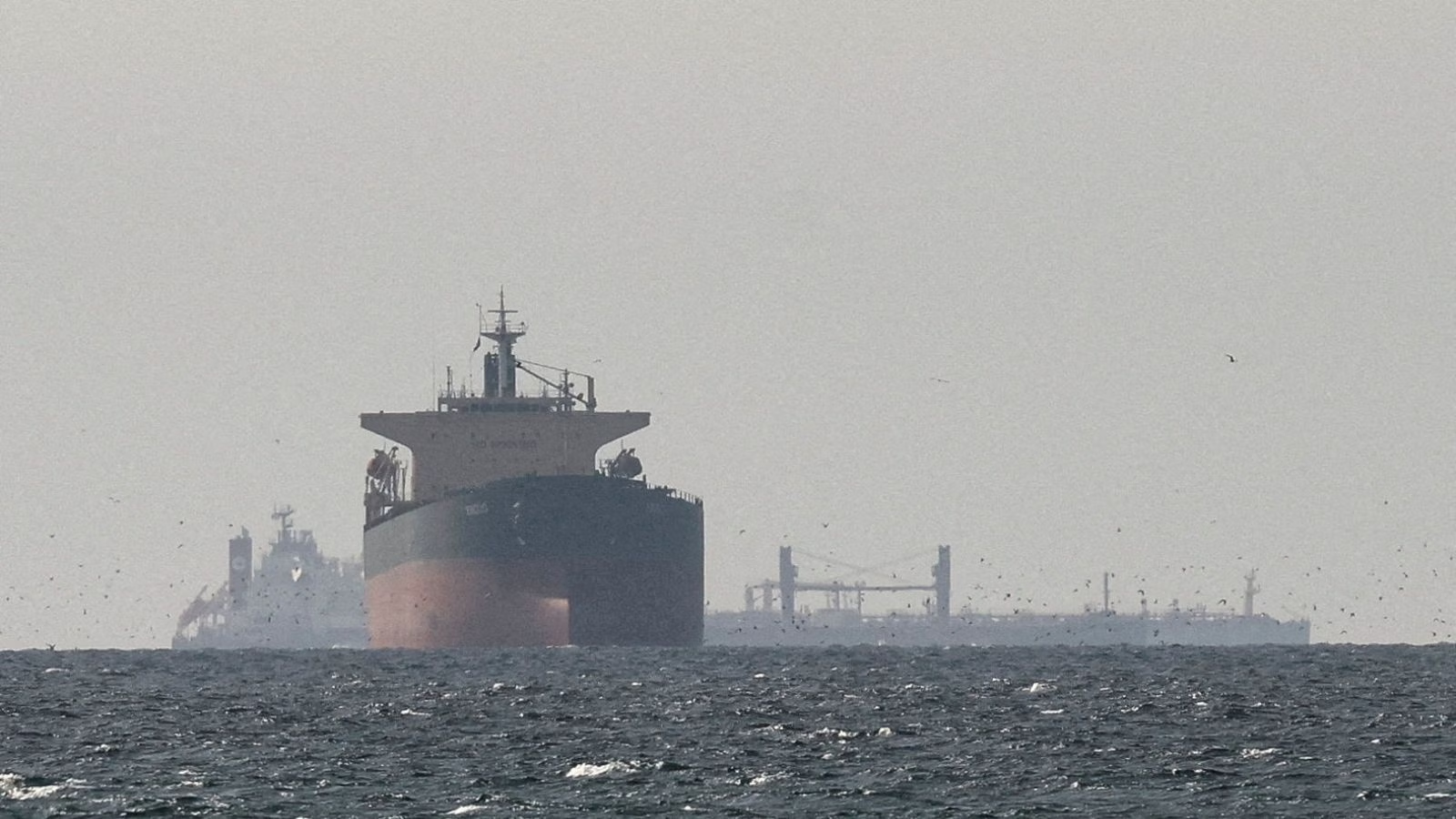
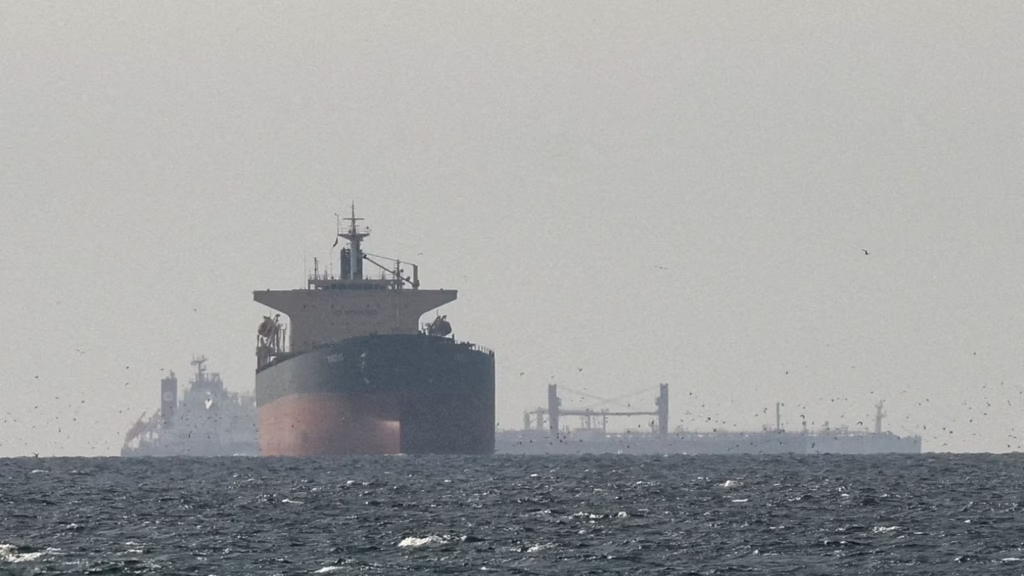
The rising tensions in the Middle East have once again placed global energy markets on edge. A recent warning from Saudi Arabia to the United States highlights the serious risks tied to the ongoing blockade involving Iran. At the center of this geopolitical crisis lies the critical Strait of Hormuz, a chokepoint responsible for a significant share of the world’s oil transportation.
This escalating conflict could reshape global trade routes, oil prices, and economic stability.
Strait of Hormuz is one of the most vital energy corridors in the world. Nearly a fifth of global oil supply passes through this narrow passage connecting the Persian Gulf to international markets.
When Iran disrupted traffic in this region, it caused:
For countries heavily dependent on oil imports, including India and China, any disruption here directly impacts fuel prices and economic growth.
Saudi Arabia has reportedly cautioned the US that continued pressure on Iran could backfire. While the blockade aims to weaken Iran’s economy, it may trigger a broader regional response.
One key concern is the potential closure of another crucial shipping route: the Bab al-Mandeb.
This narrow strait links the Red Sea to the Gulf of Aden and is essential for:
If both chokepoints are disrupted, global trade could face severe consequences.
To bypass the Strait of Hormuz crisis, Saudi Arabia has been transporting oil via pipelines to its Red Sea port in Yanbu. This strategy allowed the kingdom to maintain exports close to normal levels.
However, this workaround depends heavily on the stability of Bab al-Mandeb.
If Iran or its regional allies disrupt this route:
Iran’s influence extends beyond its borders, particularly through groups like the Houthis in Yemen.
These groups have previously demonstrated their ability to:
If tensions escalate, they could play a key role in affecting the Bab al-Mandeb, further intensifying the crisis.
The US, under Donald Trump, has defended its stance, stating that ensuring open energy routes is critical for global stability. However, Gulf nations are urging a diplomatic solution rather than prolonged confrontation.
Many regional powers now prefer:
If the situation worsens, the ripple effects could be global:
Disruptions in key shipping routes could drive prices higher, affecting transportation, manufacturing, and consumer goods.
Higher fuel costs often lead to increased prices across industries, raising inflation worldwide.
Major shipping lanes connecting Asia, Europe, and Africa could face delays or closures.
Stock markets and currencies may react negatively to prolonged instability.
Despite rising tensions, there are signs that both sides are open to negotiations. Talks facilitated by regional players, including Pakistan, may offer a path forward.
Key discussion points include:
A successful diplomatic outcome could stabilize global markets and restore confidence.
The conflict surrounding the Strait of Hormuz is more than a regional issue. It is a global economic risk with far-reaching consequences.
Saudi Arabia’s warning underscores a critical reality. Actions taken to pressure Iran could unintentionally disrupt the very energy lifelines the world depends on.
As tensions continue, the focus now shifts to diplomacy. Whether global powers choose escalation or negotiation will determine the future of energy markets and international trade stability.