 11
11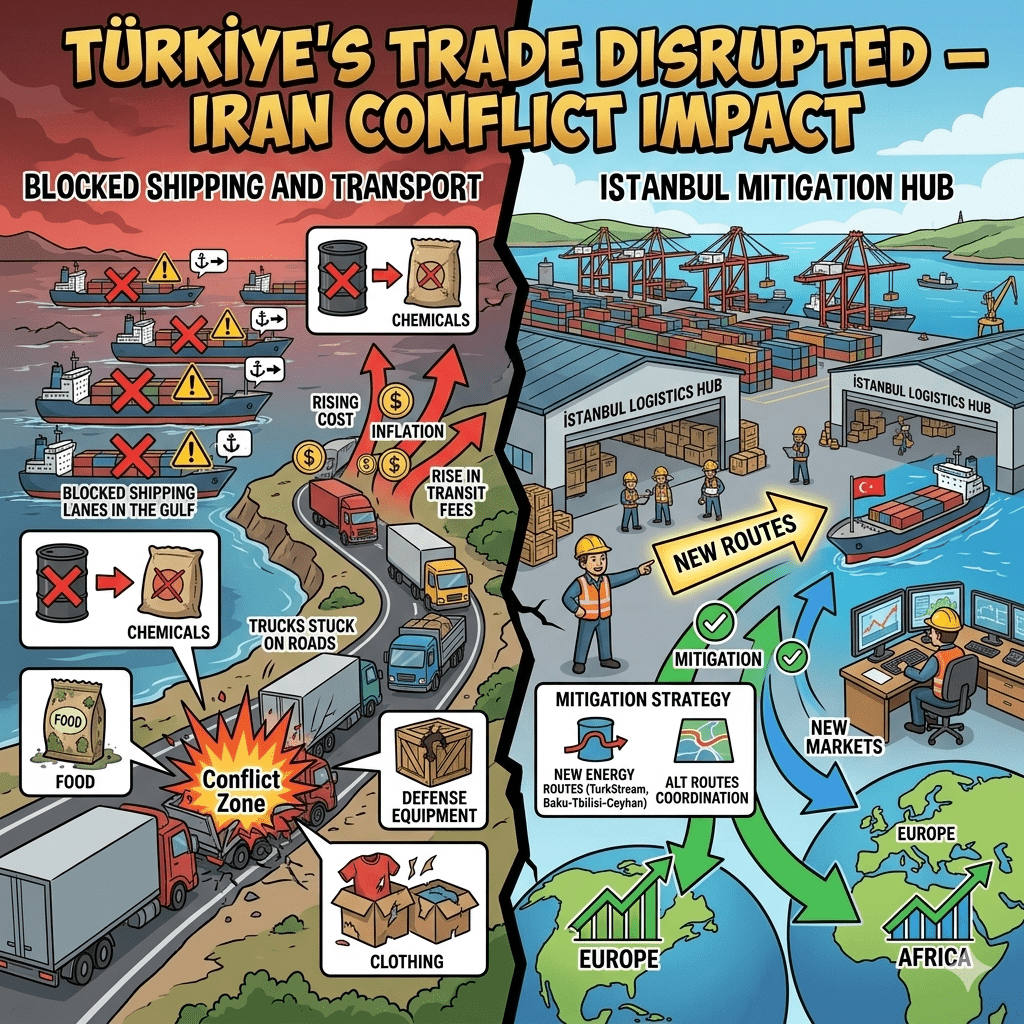
Türkiye’s exports to Gulf countries dropped by an average of 40% in the first 13 days following the outbreak of the Iran conflict on February 28, according to sector officials. Disrupted transport routes, rising logistics costs, and heightened regional instability have slowed trade activity significantly.
Mustafa Gultepe, Chief of the Turkish Exporters Assembly (TIM), noted that initial expectations of a short-lived conflict have shifted. Early indicators now point toward a prolonged disruption that could impact both regional and global trade flows.
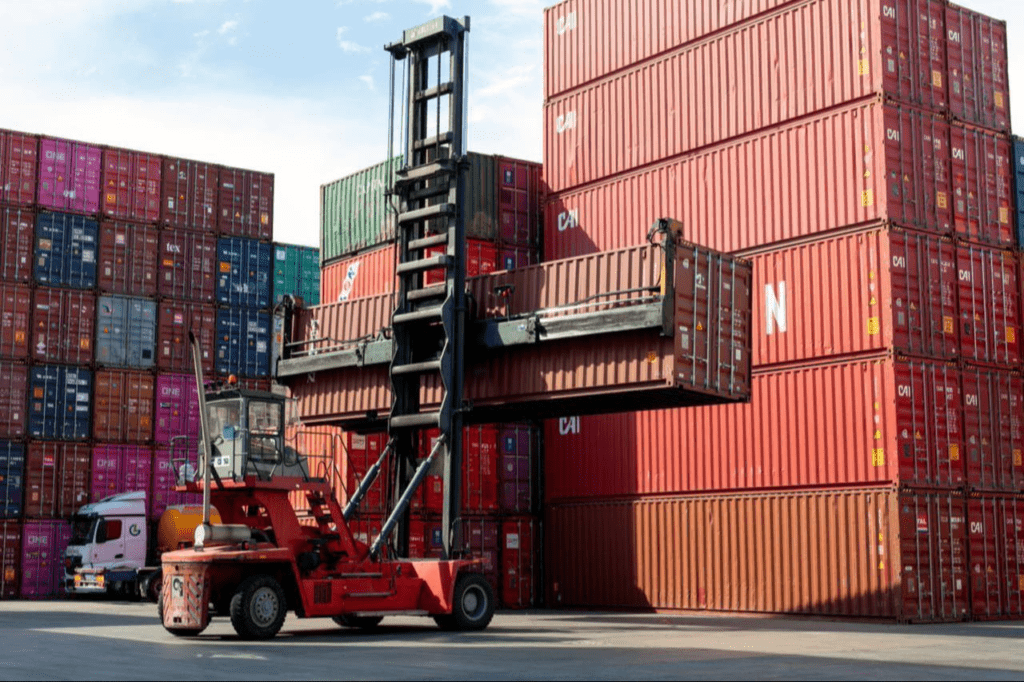
The decline has been most pronounced in sectors that rely heavily on stable supply chains and regular distribution routes:
Gultepe emphasized that these industries are particularly vulnerable to transport delays, rising costs, and regional insecurity.
To mitigate disruptions, Türkiye has proposed extending the Kirkuk-Ceyhan pipeline toward Basra, according to the Energy Minister. This move aims to diversify export routes, maintain energy flows, and reduce reliance on Gulf shipping lanes.
While Türkiye’s export structure provides some short-term resilience—45–50% of shipments go to European markets—prolonged conflict could eventually affect Europe as well.
Gultepe warned:
“If the conflict lasts another one and a half to two months, it will start to impact the European market too.”
Official data for 2025 shows Türkiye exported $24.41 billion worth of goods to eight Gulf countries affected by the conflict:
A longer-lasting conflict could disrupt global production and consumption patterns, shifting demand toward essential goods. This may affect:
Additionally, rising logistics and energy costs remain key risk factors. Persistent instability could put pressure on economic indicators, potentially slowing growth across multiple regions.
Türkiye is actively seeking ways to mitigate the impact:
However, the conflict’s duration and intensity will ultimately determine how deeply global trade, energy, and supply chains are affected.
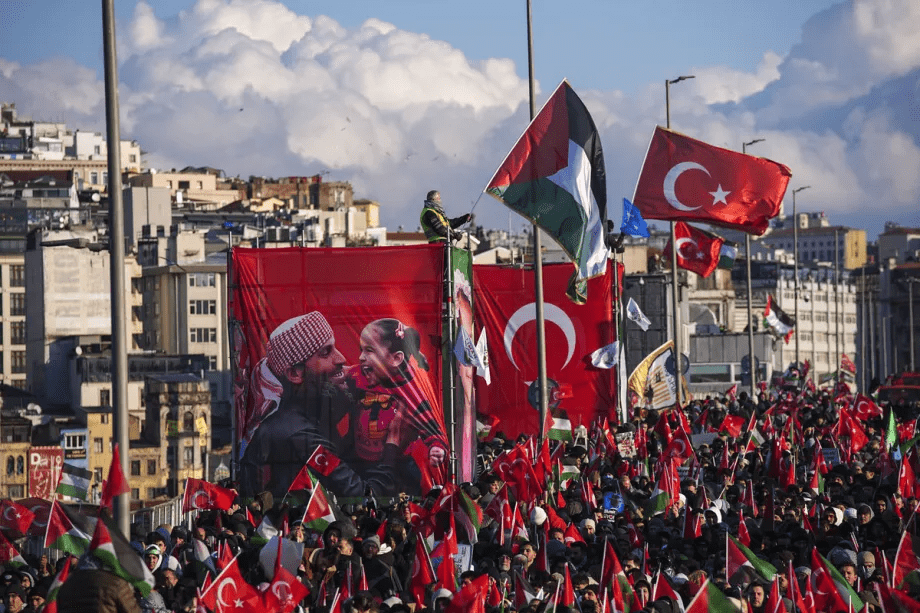
To show support for Palestinians and call for an end to the Gaza war.
January 1, 2026.
The protest was organized by local activists, civil society groups, and solidarity organizations.