 11
11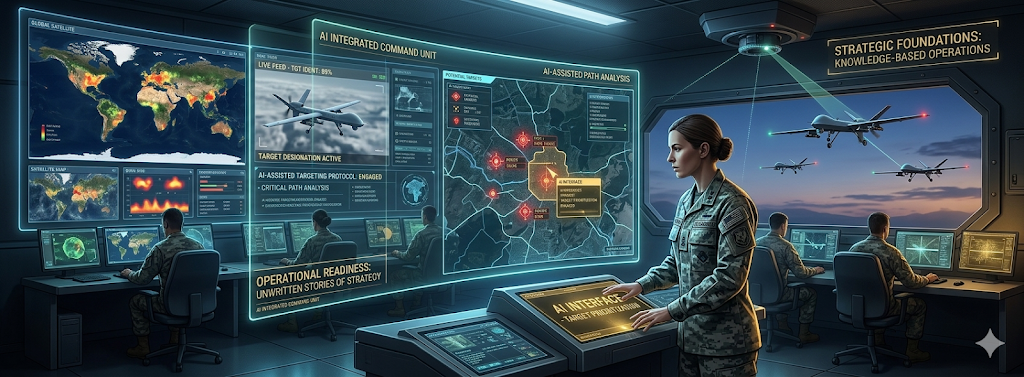
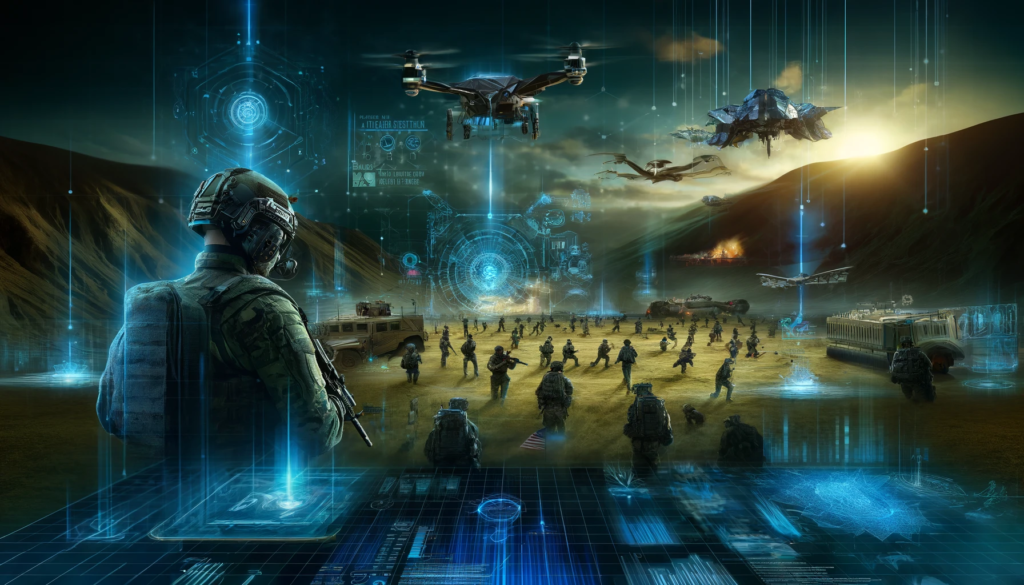
Artificial intelligence is rapidly transforming many industries. Healthcare, finance, transportation, and now even the battlefield. Recent reports show that the United States military has begun using advanced AI systems to support operations in conflicts such as the ongoing war involving Iran. However, despite the power of these technologies, experts emphasize one critical point. Human judgment remains essential in warfare.
Artificial intelligence allows military forces to analyze huge amounts of information much faster than humans can. Data from satellites, drones, radar systems, and intelligence reports can be processed within seconds using AI-powered tools.
In the recent military campaign against Iran, AI systems were reportedly used to help identify potential targets and prioritize military operations. These technologies enabled commanders to strike hundreds or even thousands of targets much faster than traditional processes allowed. (Seattle Post-Intelligencer)
AI systems are particularly useful for tasks such as:
Some systems combine machine learning with advanced data analytics platforms to accelerate what military planners call the “kill chain”. This is the process of detecting, identifying, and striking targets during combat operations.
One of the biggest advantages of AI in warfare is speed. Military leaders say these systems can reduce processes that once took hours or days into just seconds.
For example, AI tools can scan thousands of images from surveillance drones and quickly highlight suspicious activities or potential targets. This allows commanders to respond faster and gain an advantage over their adversaries. (AOL)
However, speed also introduces serious risks.
When decisions about military targets happen faster than ever before, there is less time for careful human evaluation. Mistakes in intelligence data, misidentified locations, or outdated information can lead to tragic consequences.
Despite the increasing role of artificial intelligence, the final decision to launch an attack still rests with human commanders.
Military officials have repeatedly emphasized that AI is used as a support tool, not as a decision-maker. Humans remain responsible for deciding:
Admiral Brad Cooper, who leads U.S. Central Command, stated that while AI can process information rapidly, humans will always make the final decision on what to strike and when to strike. (AOL)
The growing use of AI in warfare has sparked a global debate about ethics and accountability.
Some experts worry about a future where fully autonomous weapons could make life-or-death decisions without human oversight. Others argue that AI may actually reduce casualties by improving precision and reducing human error.
Governments and international organizations are now discussing regulations to ensure that AI in warfare remains under meaningful human control.
Artificial intelligence will almost certainly play a larger role in future military conflicts. From autonomous drones to AI-driven intelligence systems, the battlefield is becoming increasingly digital.
However, technology alone cannot replace human judgment, moral responsibility, or strategic thinking.
The real challenge for modern militaries will be finding the right balance. Using AI to improve efficiency and decision-making while ensuring that humans remain firmly in control of critical choices.
Because even in an age of intelligent machines, war remains a profoundly human responsibility.