 11
11
The global payments industry is entering a major transformation. Traditionally, every transaction has required direct human action. A person decides to buy, and banks or payment networks process the request.
That model is now evolving.
Visa is actively preparing for a future where AI agents can initiate transactions on behalf of users. This shift could redefine how digital payments work, similar to how online banking once changed financial systems forever.
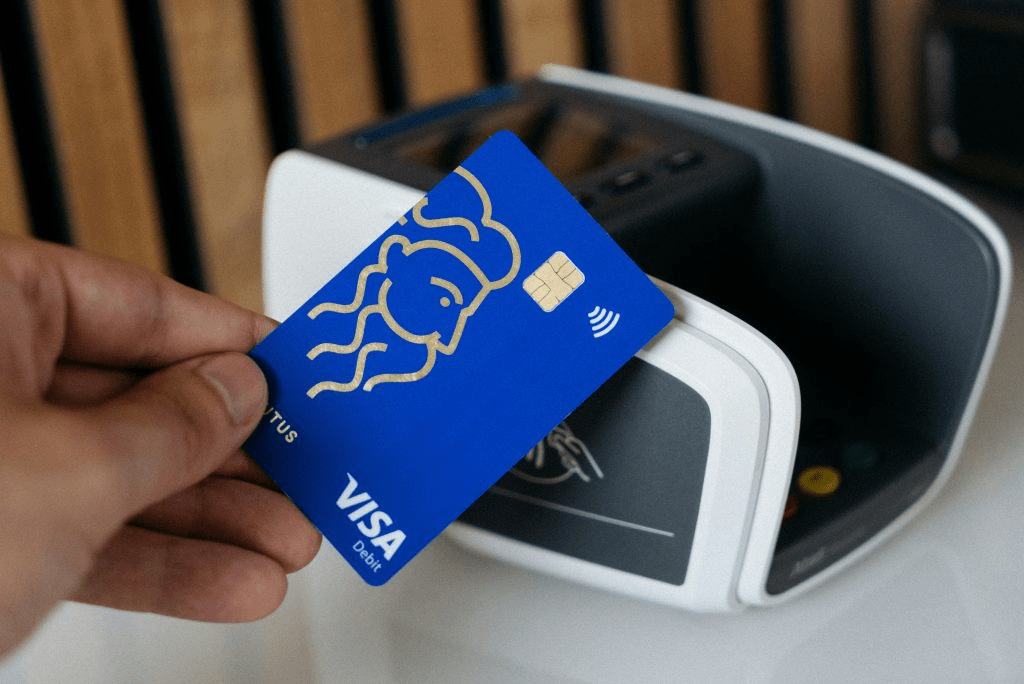
AI agent payments refer to transactions initiated by autonomous software systems instead of humans.
These AI agents can:
Instead of clicking “Buy Now,” users set rules. The AI handles the rest.
For example:
Visa has launched its “Agentic Ready” initiative in Europe, aiming to test how financial systems handle AI-driven transactions.
The program involves major banking partners like:
According to reports from The Paypers and Investing.com, this initiative is one of the first real-world attempts to prepare payment systems for AI autonomy.
Today’s payment systems rely heavily on human identity verification. Every transaction confirms that a person has approved it.
With AI agents, this becomes more complex.
Visa is developing systems where AI agents operate within user-defined rules, such as:
One of the biggest challenges is maintaining security and regulatory compliance.
Banks must ensure:
A report by RepRisk highlights that AI-related risks are already increasing, with some incidents leading to multi-million-dollar losses.
This makes governance and oversight critical.
Large organizations could benefit significantly from AI-driven payments.
Instead of multiple approval layers, AI agents could:
However, companies must define strict rules to avoid:
Visa compares this transformation to the early days of online payments adoption.
At that time:
AI agent payments represent a similar leap.
The difference. The “customer” is no longer always human.
As AI continues to evolve, financial systems must adapt to a new reality.
Still, banks will remain responsible for:
Visa’s current efforts focus on testing and infrastructure design, not consumer tools. However, the direction is clear.
AI agents are set to become active participants in the global economy.
The question is no longer if this will happen. It is how fast financial systems can adapt.