 11
11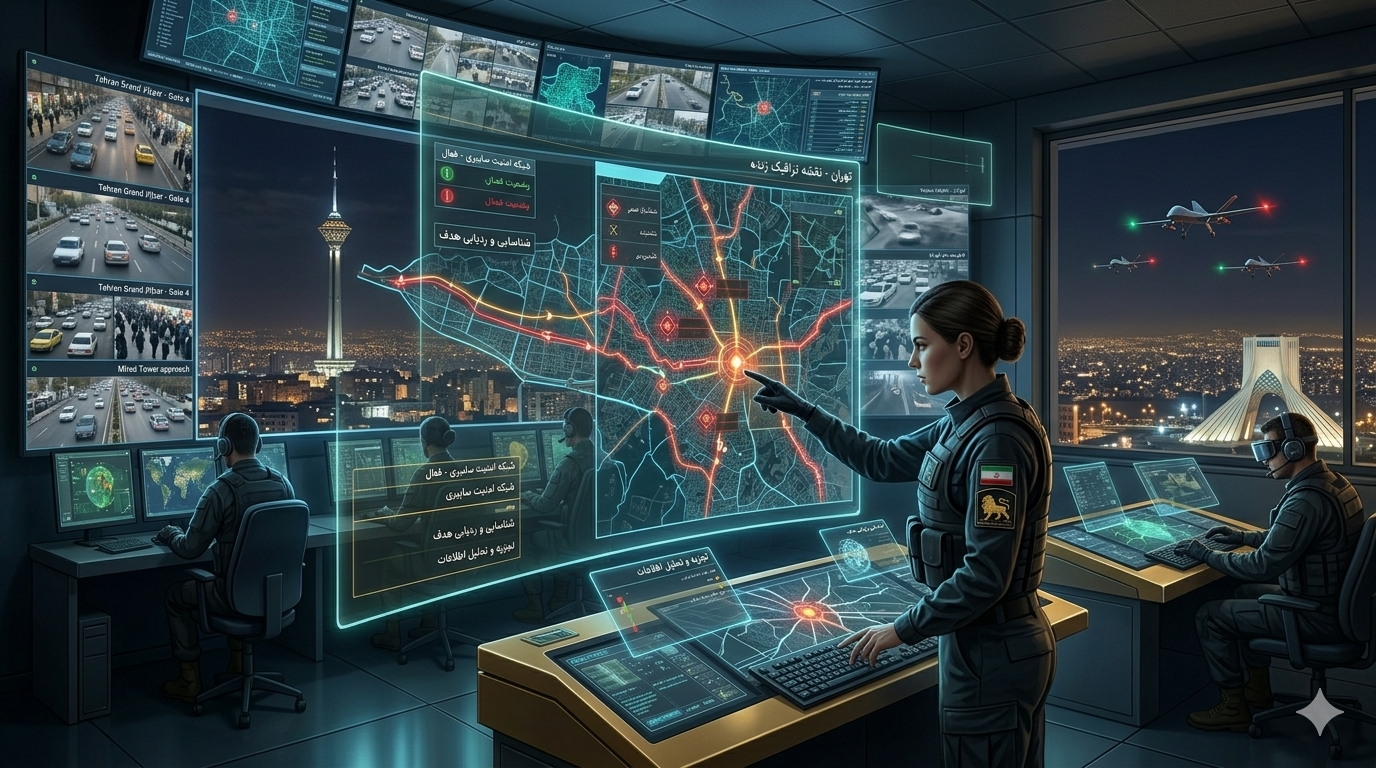
Tensions between Israel and Iran had been escalating for years prior to the February 2026 conflict. Iran’s Supreme Leader Ali Khamenei, the most powerful political and religious figure in the country for decades, was a central target in strategic plans by foreign intelligence agencies opposed to Iran’s regional influence and nuclear ambitions.
Israel’s intelligence community — particularly its overseas spy service and signals units — has a long history of operations aimed at undermining Iranian military and nuclear infrastructure, as well as monitoring senior leaders long before direct conflict. These activities included espionage, cyber operations, and covert data collection that grew more ambitious with advancements in digital surveillance and computing.
Tracking a high‑profile leader in a heavily secure environment like Tehran presents unique challenges. Traditional espionage techniques (agents inside the country, human intelligence, intercepted communications) are limited by counterintelligence measures and physical security. Analysts determined that linking everyday infrastructure — like traffic cameras and mobile comms — to strategic intelligence might yield actionable patterns.
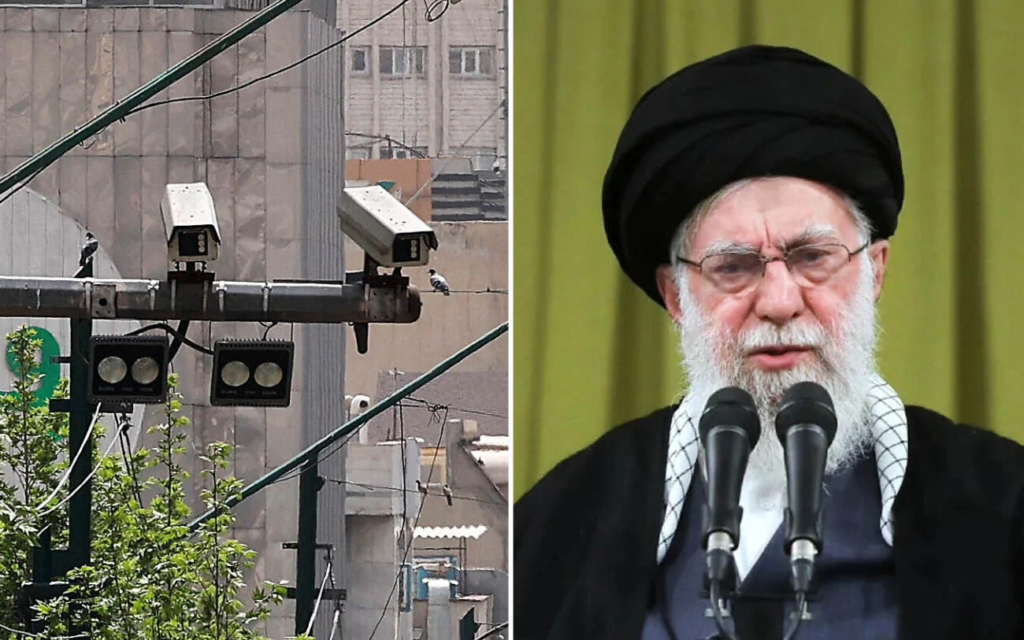
Traffic cameras, designed to improve road safety and monitor traffic flows, are abundant across Tehran’s streets. Although built for civilian use, they provide continuous visual data of vehicles, pedestrians, and environments around key locations. Iranian authorities themselves relied on these systems for internal security and routine surveillance.
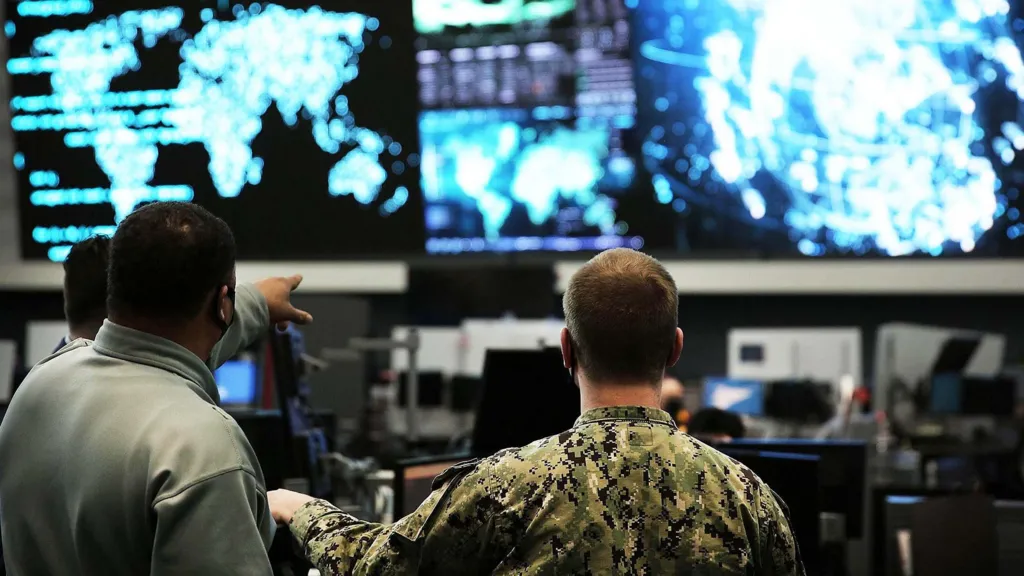
According to multiple reports, intelligence officials say Israeli operators managed to compromise the vast majority of Tehran’s traffic camera network years before the assassination event itself. The breach allegedly involved remote access to camera feeds and associated communications systems, with data encrypted and routed to servers under Israeli control.
By having open access to this infrastructure over an extended period, analysts assembled a constantly updated “pattern of life” database. This includes information on movement routines, timings, and unsecured behavioural patterns of Khamenei’s security detail and other key figures. One specific camera near Pasteur Street — where Khamenei was killed — reportedly offered particularly valuable views of where senior protectors parked each day.
Hacked cameras were only one component of a broader intelligence network. Reports suggest that other compromised systems — such as segments of mobile phone networks — were infiltrated, adding another layer of location and movement data. Analysts used sophisticated software and computing power to correlate timestamps, movement paths, contact signals, and positional data to create a high‑accuracy picture of daily routines.
Artificial intelligence and algorithmic processing have also been mentioned in some coverage as tools to analyze massive amounts of visual and signal data efficiently. These tools can detect regular patterns and forecast likely locations of individuals or groups in real time.
By late February 2026, analysts reportedly confirmed that Khamenei and several of his senior officials were convening for a meeting in a predictable location on Pasteur Street in Tehran. With real‑time insights gleaned from traffic camera feeds and mobile network tracking, decision‑makers determined this presented a rare opportunity for a precise strike with minimal collateral uncertainty.
The resultant military operation — described in media as involving coordinated airstrikes by Israeli and allied forces — used this intelligence to schedule and execute a targeted attack that killed Khamenei and other key figures. Subsequent reports indicated that some mobile network interference may have been applied at the time to delay warnings reaching security personnel.
This operation — if confirmed in its reported details — illustrates how civilian infrastructure like traffic cameras can be repurposed as intelligence tools in modern conflicts. Cameras designed to improve city administration and road safety became, in this scenario, silent observers feeding data into military planning.
It raises complex questions about the intersection of public tech systems, privacy, national security, and foreign espionage. Even in peacetime, interconnected surveillance systems can carry vulnerabilities if they lack robust protections against compromise. In war, these systems can be transformed into strategic assets or liabilities depending on who controls the data flow.
This event is not isolated. Cyber operations have increasingly played a significant supporting role in contemporary conflicts — from incidents like Stuxnet, which targeted industrial systems in Iran’s nuclear program years earlier, to more recent coordinated attacks on infrastructure and communications during wartime.
In each case, the line between civilian infrastructure and military data collection blurs under the demands of digital reconnaissance and warfare, prompting debates among policymakers, technologists, and international law scholars alike.