 11
11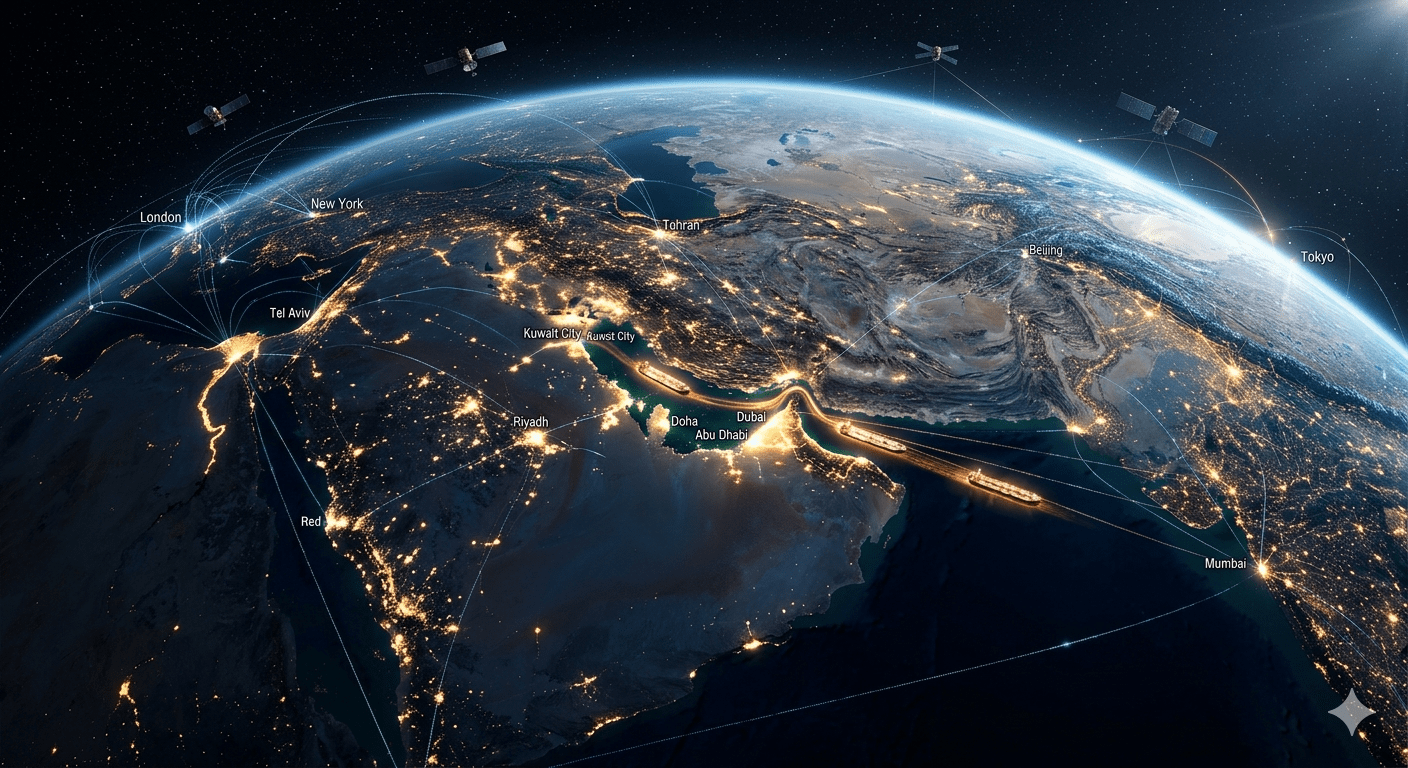
Recent military tensions between the United States and Iran have once again drawn global attention to the fragile balance of power in the Middle East. Official statements often frame these actions around concerns such as nuclear security and regional stability. However, alternative geopolitical analyses suggest there may be deeper strategic motivations behind these events.
One such perspective argues that the conflict is not simply about nuclear threats or immediate military concerns. Instead, it may be part of a broader geopolitical strategy involving economic power, global trade routes, technological warfare, and the future of the international financial system.
This article explores several key theories and interpretations discussed in recent geopolitical commentary and analysis.
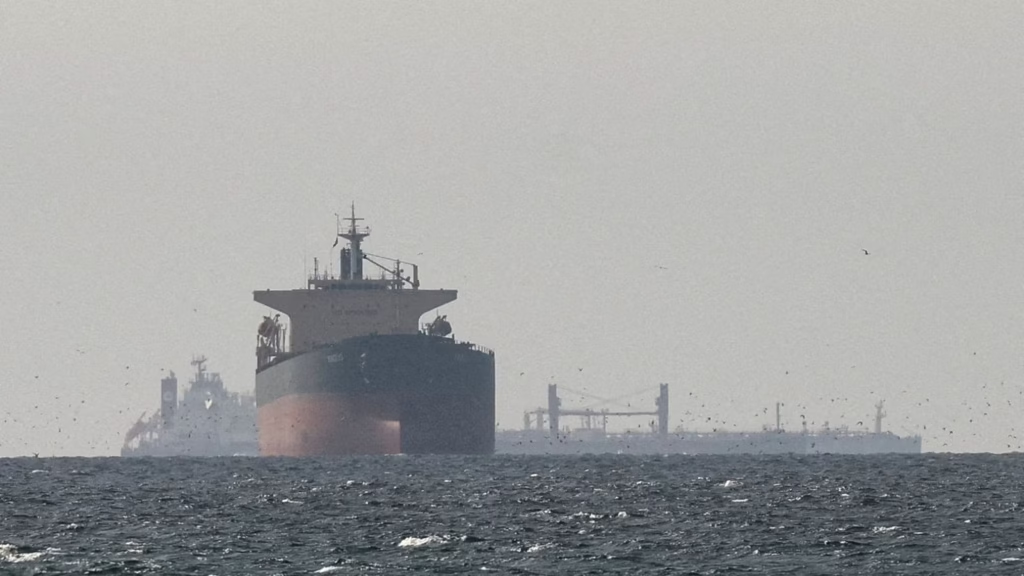
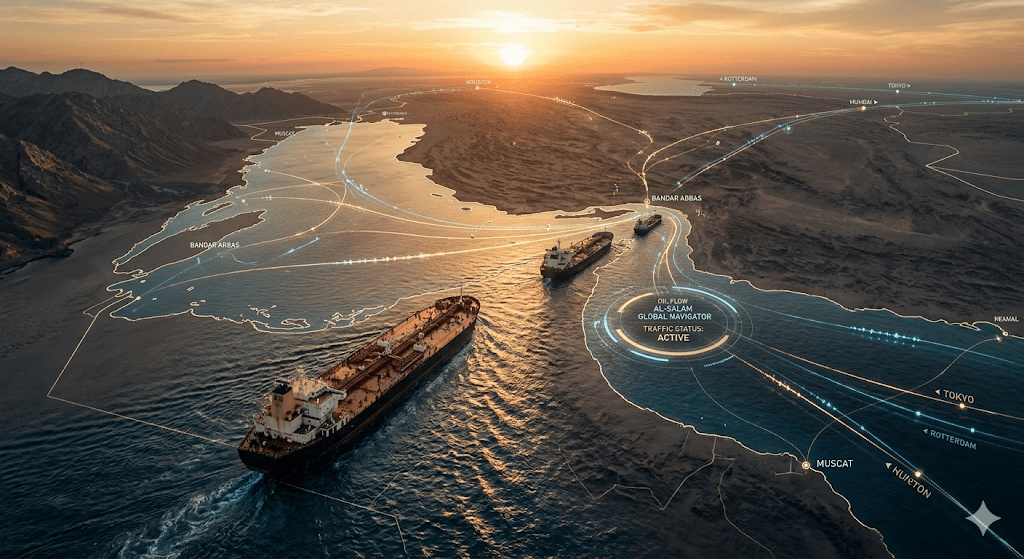
Iran sits in one of the most strategically important locations in the world. It borders the Strait of Hormuz, one of the most critical oil chokepoints on the planet. Roughly a fifth of the world’s petroleum supply passes through this narrow waterway.
Because of this geographic reality, any instability in Iran has immediate consequences for global energy markets, shipping routes, and international politics.
For decades, major global powers have monitored Iran closely not only for security reasons but also because of the influence it holds over global energy flows.
One theory discussed in geopolitical commentary is the influence of Israel’s long-standing security concerns regarding Iran’s military and nuclear ambitions.
Israel has repeatedly warned that a nuclear-capable Iran would represent an existential threat. Because of this, some analysts believe Israel has pushed strongly for pre-emptive action or stronger containment policies against Iran.
Supporters of this view argue that Israel may seek to neutralize potential threats before they grow into full-scale regional conflicts.
Critics, however, say that such actions risk escalating tensions across the Middle East and potentially triggering wider geopolitical confrontations.
Another key theory centers on the role of China, the world’s largest energy importer.
China relies heavily on Middle Eastern oil, including shipments that pass through the Strait of Hormuz. Disruptions in this region can significantly impact China’s economy, manufacturing output, and energy security.
Some geopolitical analysts believe that controlling or destabilizing key oil routes could indirectly weaken China’s economic growth. If access to cheap oil becomes uncertain, China could face increased costs and supply vulnerabilities.
In such scenarios, global energy markets could shift toward oil trading systems that rely more heavily on the US dollar, reinforcing the dollar’s position as the dominant global currency.
Another frequently discussed element in geopolitical debates is the influence of the military-industrial complex.
The term refers to the network of defense contractors, arms manufacturers, government agencies, and political institutions connected to military spending.
Large-scale military conflicts often result in increased demand for advanced weapon systems, surveillance technologies, cybersecurity tools, and logistical support.
Some commentators argue that modern conflicts can also function as real-world demonstrations of military technology.
When new weapons systems prove effective in real operations, they can lead to increased defense contracts and international sales, benefiting major defense companies and boosting related stock markets.
Modern warfare is increasingly shaped by technology, especially artificial intelligence.
Reports indicate that advanced data analytics, satellite intelligence, and AI-driven modeling are now being used to plan military operations with unprecedented precision.
These tools can analyze vast amounts of information including:
• satellite imagery
• communication signals
• infrastructure maps
• troop movement patterns
Using AI, military planners can simulate potential scenarios and calculate strike probabilities before operations even begin.
However, technological warfare also introduces new vulnerabilities. Digital infrastructure such as communication networks, data centers, and cloud systems can become targets during conflicts.
Recent geopolitical events suggest that future conflicts may involve both physical and digital infrastructure.
Military operations may target:
• energy grids
• internet exchange points
• satellite systems
• financial networks
• data centers
In retaliation scenarios, cyberattacks or digital disruptions can impact global communication and economic systems.
This emerging battlefield has led some analysts to describe the future as a form of “techno-feudal warfare,” where control over digital infrastructure becomes just as important as control over territory.
Perhaps the most controversial theory discussed in geopolitical circles is the idea that global conflicts are partially connected to the future structure of the international financial system.
The US dollar currently dominates global trade, especially energy markets. Oil is largely traded in dollars, reinforcing the dollar’s role as the world’s primary reserve currency.
Some commentators believe that maintaining this dominance is a key strategic priority.
There is also growing discussion about the potential emergence of programmable financial systems, including:
• tokenized assets
• digital currencies
• centralized digital payment networks
• blockchain-based financial infrastructure
Supporters argue these technologies could create more efficient global markets.
Critics worry they could also enable unprecedented levels of financial surveillance and control.
A short statement referenced in related discussions summarizes the potential direction of the global financial system:
“The future financial system may involve programmable money and tokenized assets integrated into a digital economic framework.”
While interpretations vary widely, the intersection of geopolitics, technology, and finance is becoming increasingly visible.
The US–Iran conflict cannot be understood through a single narrative. It involves layers of geopolitical competition, economic strategy, technological development, and financial influence.
Whether these theories fully explain current events remains a matter of debate. What is clear, however, is that modern conflicts are no longer limited to traditional battlefields.
Energy supply chains, digital infrastructure, artificial intelligence, and global finance are all becoming part of the same strategic landscape.
As technology evolves and global power dynamics shift, the world may be entering a new era where economic systems, cyber networks, and military strategy become deeply interconnected.